Universal Fit Eyewear Collection
PROJECT BRIEF:
Design and launch a universal fit eyewear sub-collection within the Ted Baker brand at Tura — from initial concept through retail distribution. The objective was to identify an underserved fit demographic, develop a product that addressed a clear physical and experiential gap, and prove viability through sell-through performance and cross-portfolio expansion.
PROJECT DESCRIPTION:
I conceived, designed, and launched the Universal Fit Collection at Tura — a sub-collection built on the belief that standard eyewear sizing was leaving a significant customer segment behind. Starting from a clear user insight — that customers with lower nose bridges, higher cheekbones, wider faces, and flatter facial profiles were being forced to choose between fit and style — I developed a targeted set of design interventions that solved for anatomy without compromising aesthetics. I defined the fit architecture, product specifications, and design language, translating clinical fit requirements into frames that wore and looked like any other Ted Baker style. The collection's performance was strong enough that Tura expanded the universal fit framework across multiple brands in its broader portfolio — validating that the problem was industry-wide, not brand-specific. The Universal Fit Collection proved that inclusive design doesn't require a separate product category. It just requires the willingness to start from the customer.
CLIENT
Tura x Ted Baker
YEAR
2017 - 2020
SKILL SETS:
*Product Strategy
*0 to 1 Product Launch
*User Research & Empathy
*Market Segmentation
*Pain Point Identification
*Product Positioning
*Go-to-Market Strategy
*Cross-functional Leadership
*Portfolio expansion & scaling
*Manufacturing

Eyewear design often treats fit as a secondary consideration, something refined after the aesthetic is set. This collection started from the opposite direction. Fit was the brief. Working within Tura's development infrastructure, including long-standing manufacturing partnerships and deep frame engineering experience, made it possible to translate specific anatomical requirements into production-ready designs without sacrificing the Ted Baker aesthetic. The result wasn't a separate "fit category." It was a collection that happened to work for customers standard sizing had been ignoring.
01 MISSION
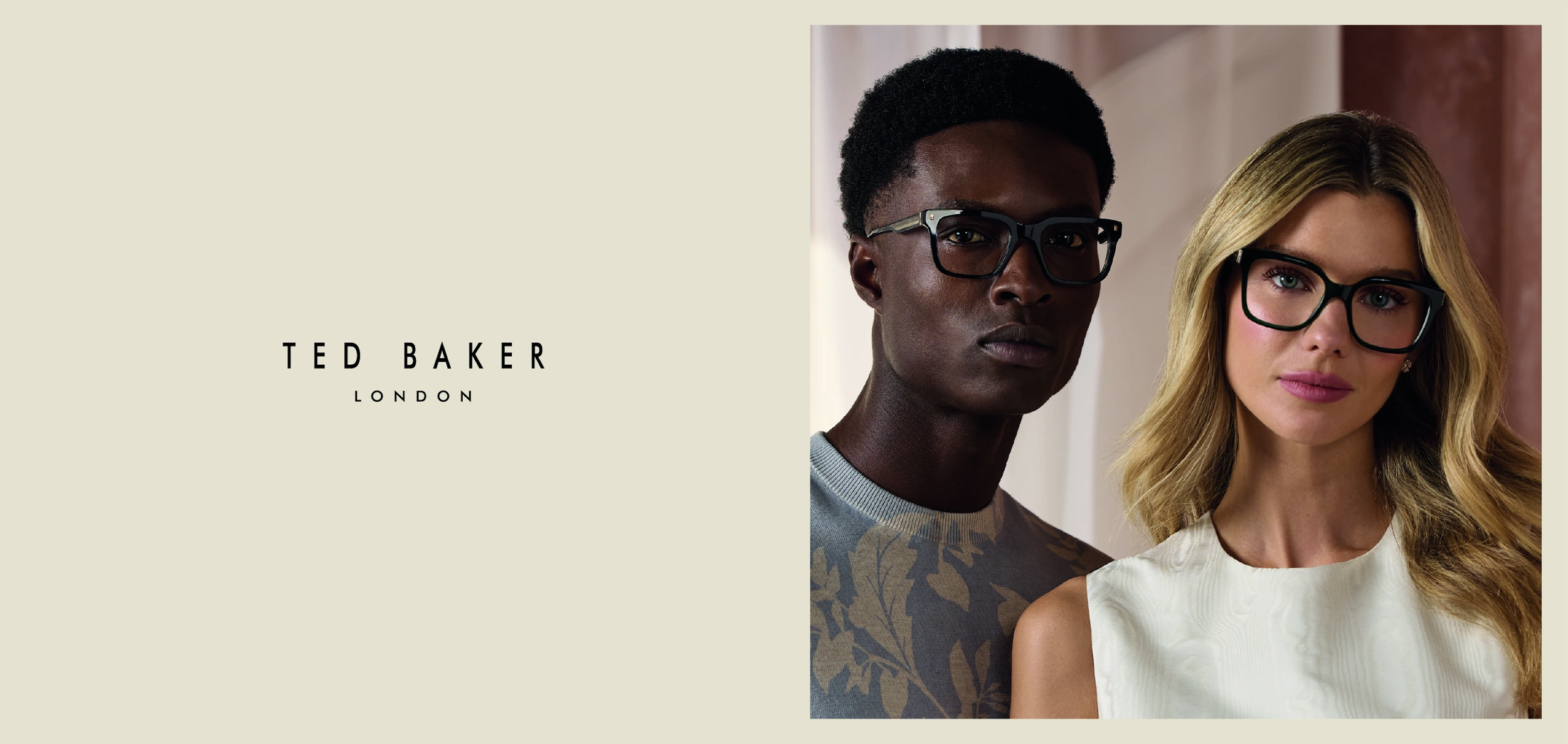
Tura's mission is to provide optical retailers and consumers with the highest quality eyewear design that fits, flatters, and celebrates every face. Fit is not a feature at Tura. It is the foundation of everything they build. Tura's competitive advantage has always been its technical rigor in frame engineering and their deep understanding of how eyewear interacts with the human face. That obsession with fit is what made Tura uniquely positioned to identify this problem and uniquely capable of solving it. The eyewear industry has historically designed products around a single facial profile, leaving millions of consumers underserved. Not because of any intentional exclusion, but because the standard fit assumption was never truly universal. Universal Fit exists to change that.
Universal Fit Collection Mission:
To ensure every person can find eyewear that fits their unique facial anatomy, as a means of bringing confidence and inclusivity to the eyewear experience.
02 GOAL
Universal Fit was a brand new sub-collection — an MVP launching into an existing mature Ted Baker eyewear line. The goal was not to deepen usage or grow revenue. It was to prove that this new product had product market fit with a previously underserved consumer segment.
Lifecycle stage: New product → Prove PMF
Product Goal:
The goal of the Universal Fit collection is to prove product market fit by demonstrating that Ted Baker eyewear can serve consumers with lower nasal bridges, flatter facial profiles, and wider head fits who have been historically unable to wear standard fit frames comfortably, as a means of ensuring every face is considered in the design process.
03 USERS
TWO-SIDED MARKET:
Retail buyers and opticians — supply side — purchasing and recommending frames to patients and customer
End consumers — demand side — wearing and experiencing the product daily
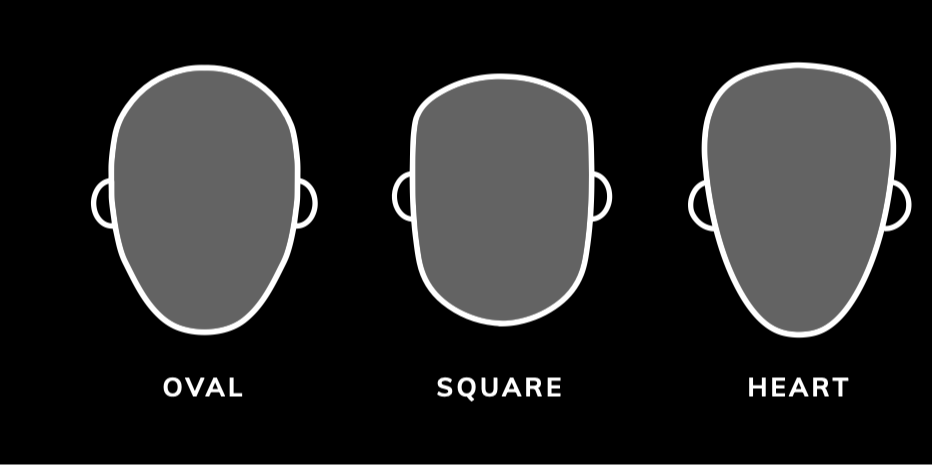
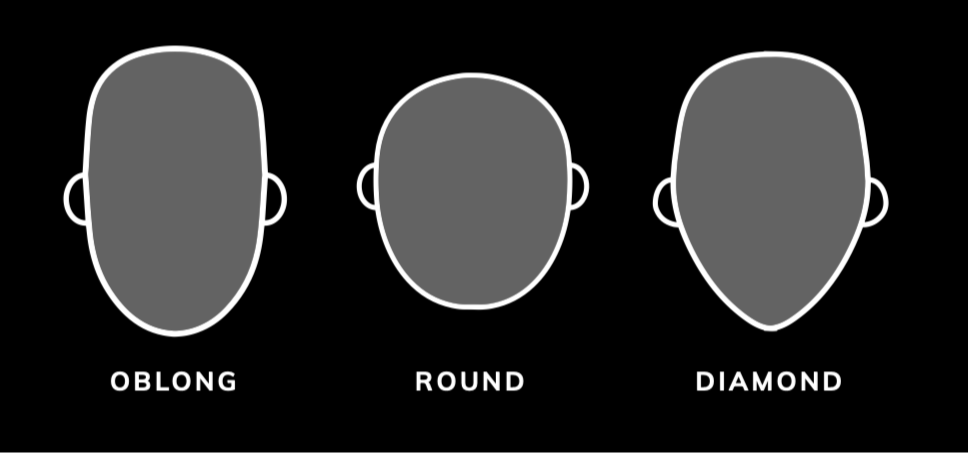
For Universal Fit I focused on the demand side — the end consumer — because without solving for their fit needs, retail adoption has no downstream value. With this in mind, I had to provide incentive to both sides of the market to ensure a healthy, dynamic product ecosystem. It's worth noting that facial profile variation exists across all demographics. Universal Fit was designed around anatomical characteristics — not racial identity — with the understanding that certain fit challenges are more prevalent within specific communities. The goal was never to define consumers by their background but to ensure no facial profile was left behind.
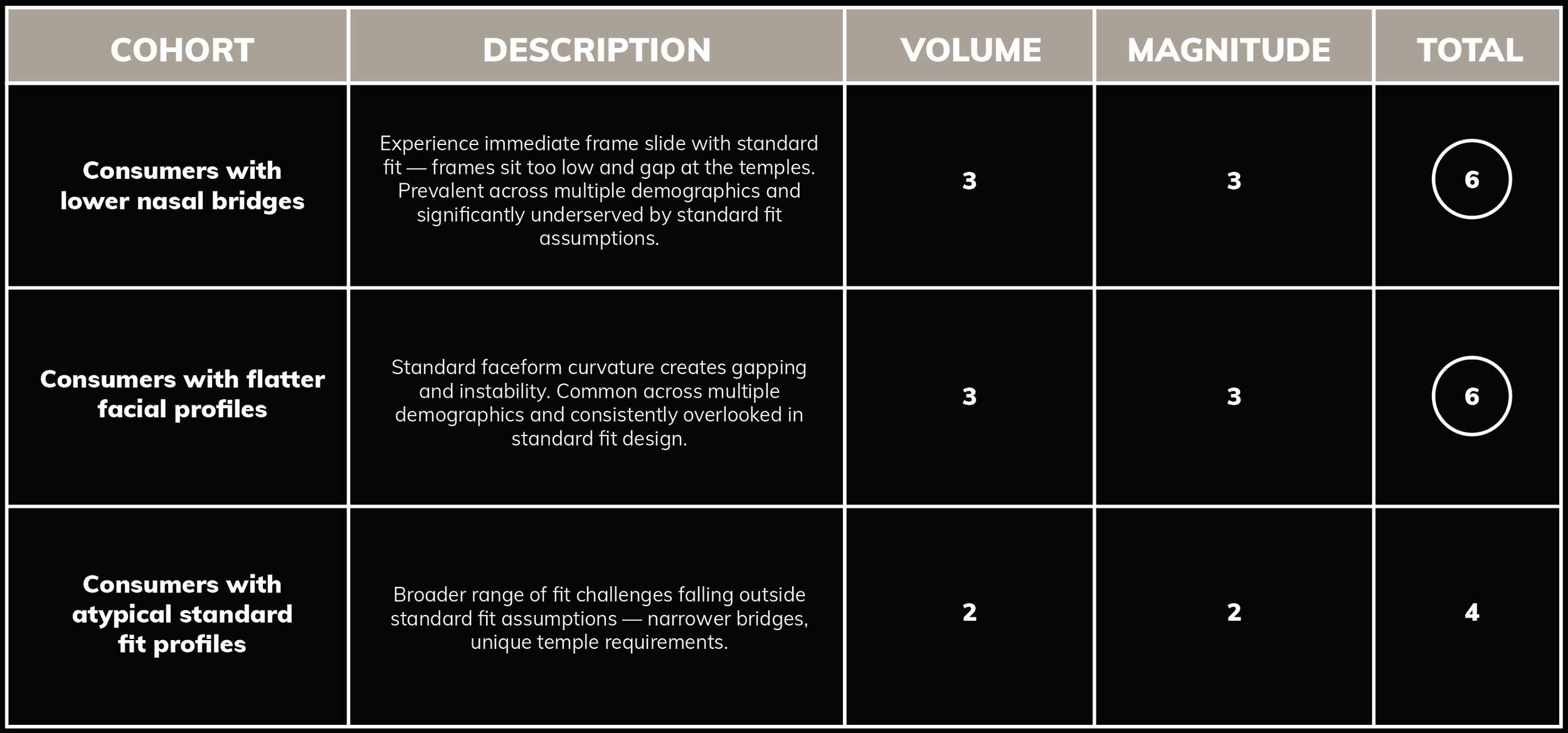
User Segments
Modified Product Goal Statement:
The goal of the Universal Fit collection is to prove product market fit for consumers with lower nasal bridges and flatter facial profiles who have been historically underserved by standard fit designs, as a means of ensuring every face is considered in the eyewear design process.
04 PAIN POINTS
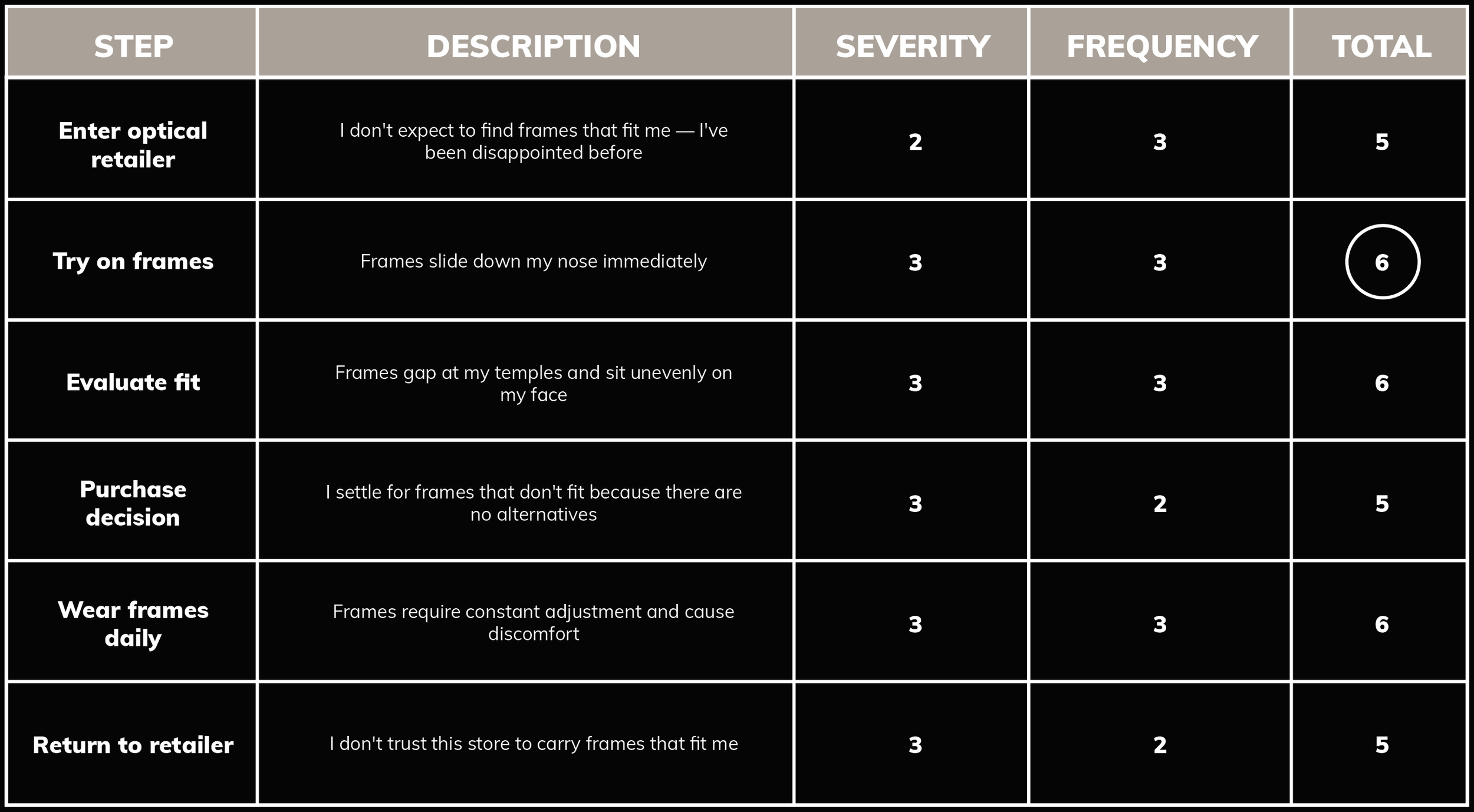
User journey for a consumer with a lower nasal bridge or flatter facial profile buying eyewear:
Three pain points scored 6. Applying the funnel tiebreaker — frames slide down my nose immediately is the highest in the funnel and the most critical moment of truth. If a frame slides off at first try-on, no downstream consideration matters. Solving this pain point unlocks every step that follows.
Focus Pain Point:
Standard fit frames don't accommodate a lower nasal bridge — making the product immediately unwearable for a significant portion of consumers at the most critical moment of the purchase journey.
Modified Product Goal Statement:
The goal of Les Monts is to prove PMF by giving style-forward customers a frame so visually and physically distinctive that they stop mid-browse and ask: what is that — and who made it?
05 SOLUTIONS
Three Solutions Considered
Solution 1: Adjustable Nose Pad System — Add adjustable silicone nose pads to standard fit frames that can be manually repositioned by an optician to accommodate different bridge heights.
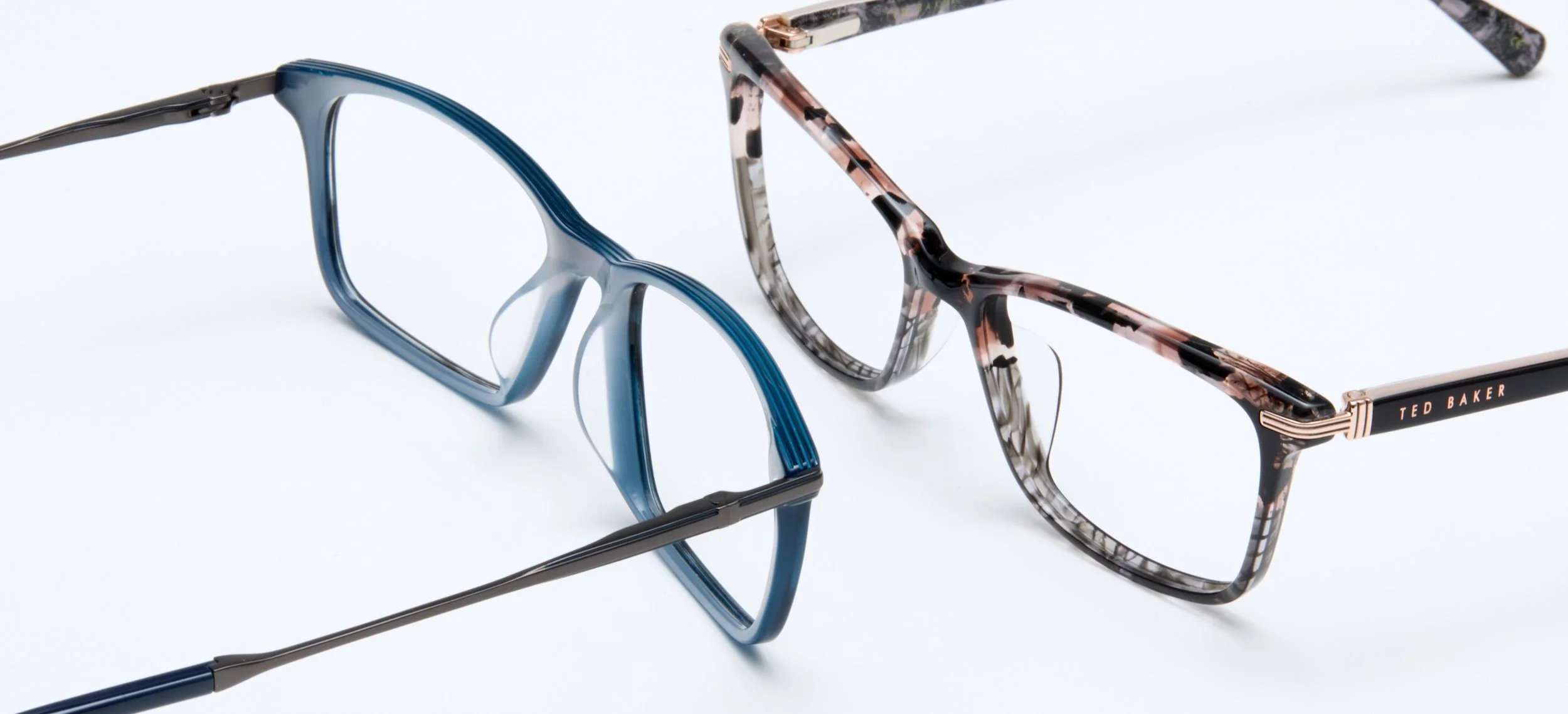
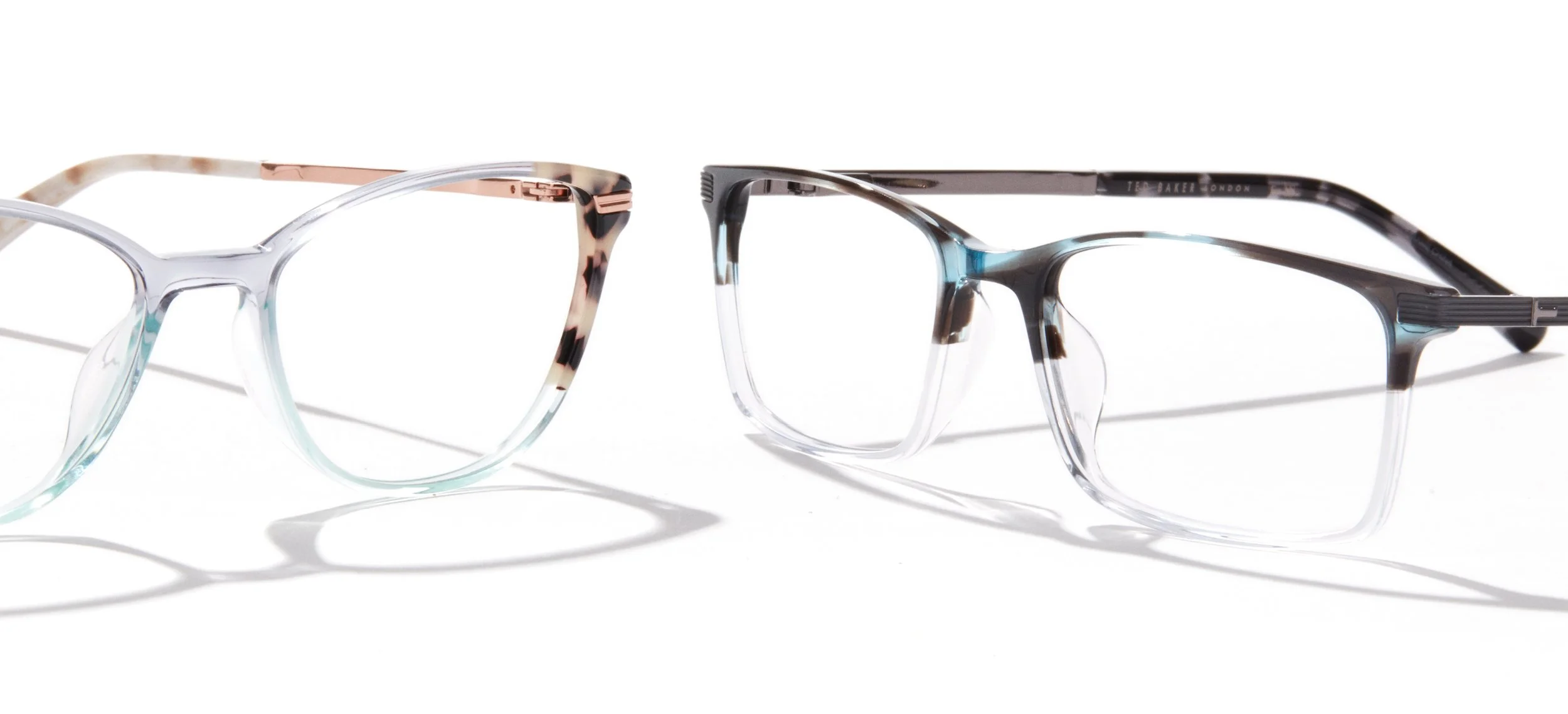
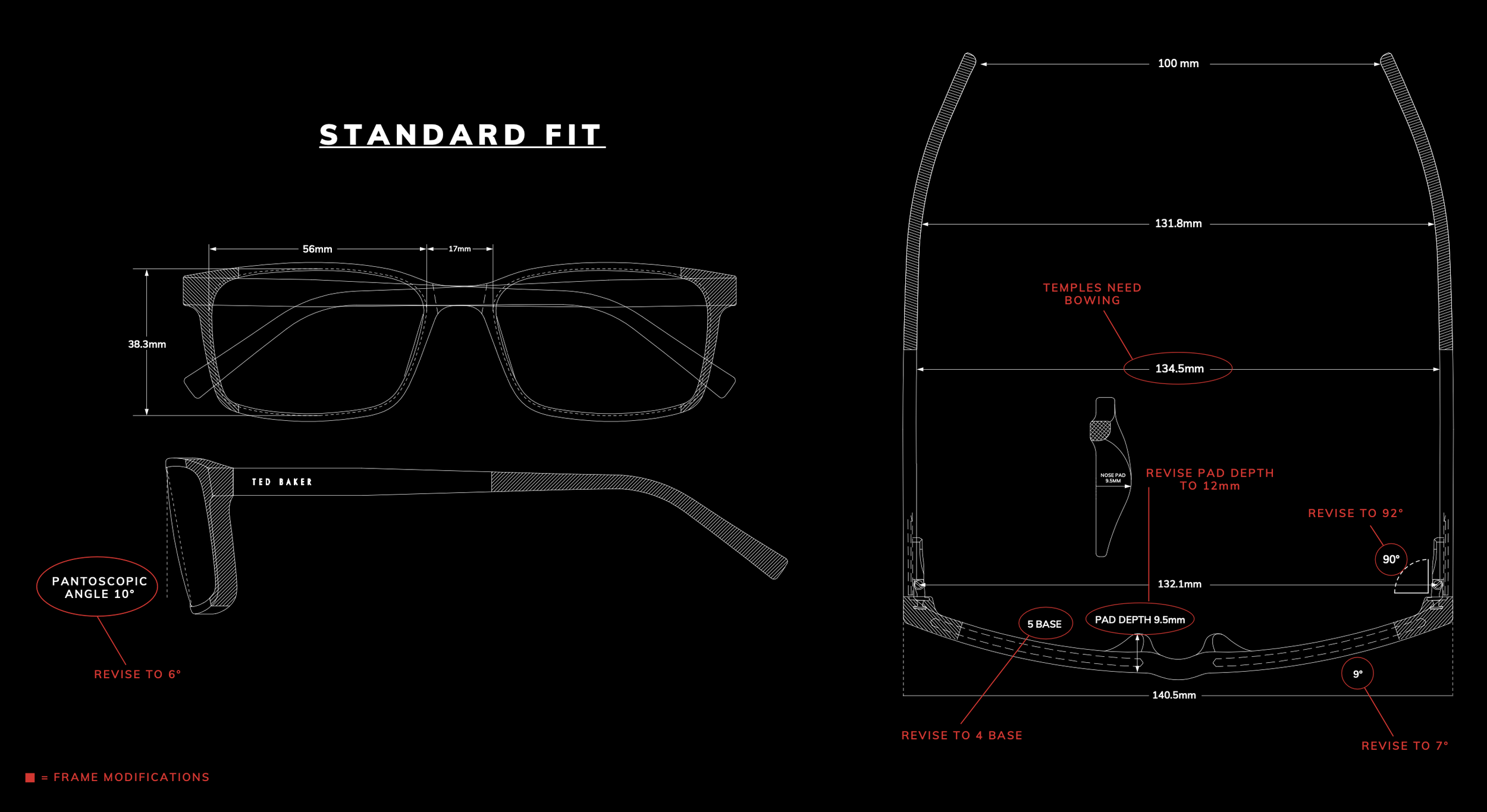
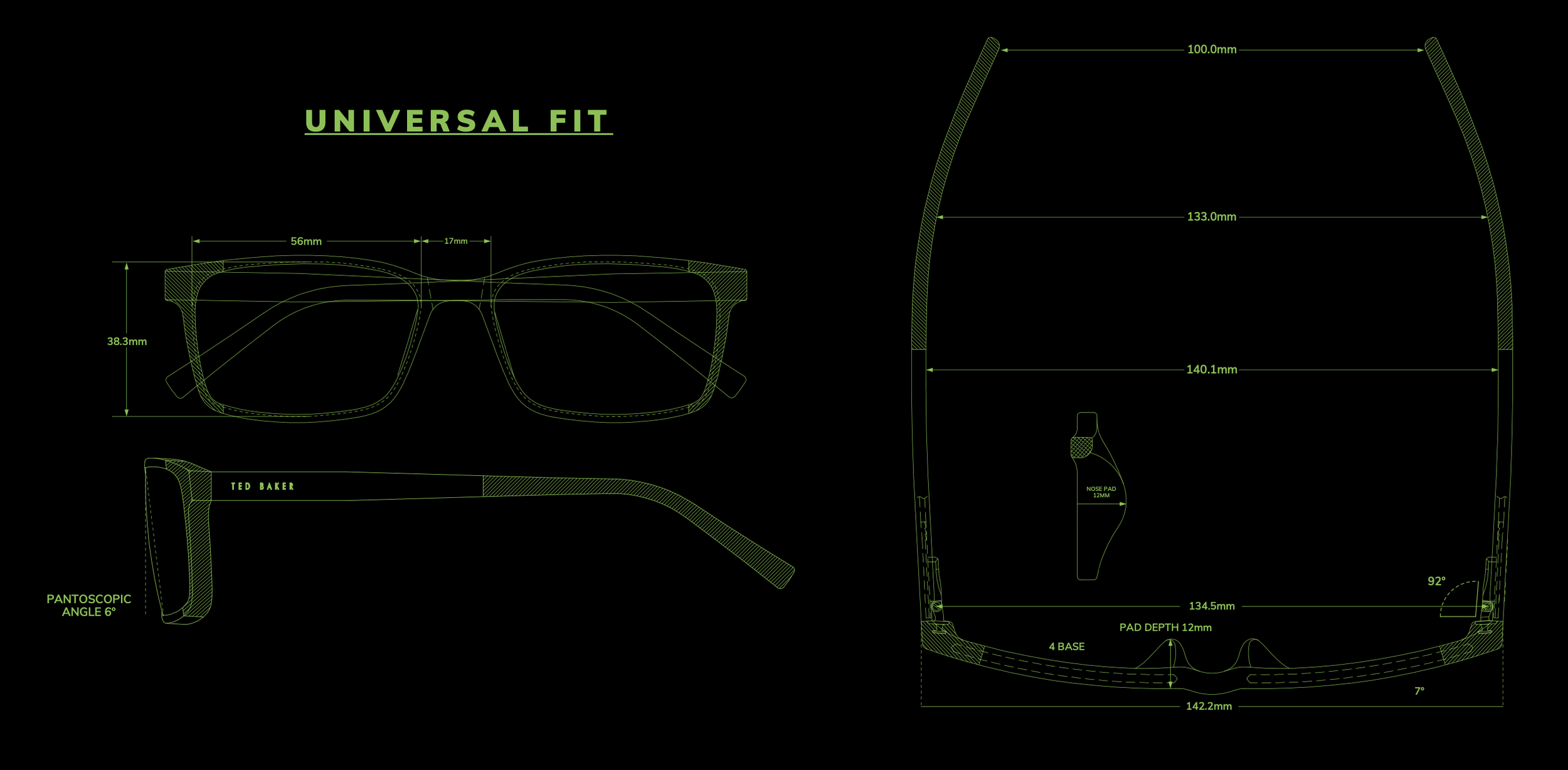
Solution 2: Universal Fit Technical Redesign — Redesign the frame architecture specifically for lower bridge and flatter facial profiles — deeper nose pads, reduced faceform curvature, bowed temples — creating a dedicated sub-collection built from the ground up for underserved anatomical profiles
Solution 3: Custom Fit Bespoke Program — Offer a customization service where consumers order frames with fit modifications made to order.
Eliminated Solution 3 off the bat
Custom fit programs require significant operational infrastructure, long lead times, and high price points that exclude the mass market consumer. Doesn't scale and doesn't solve the problem at the point of sale where fit failure actually happens.
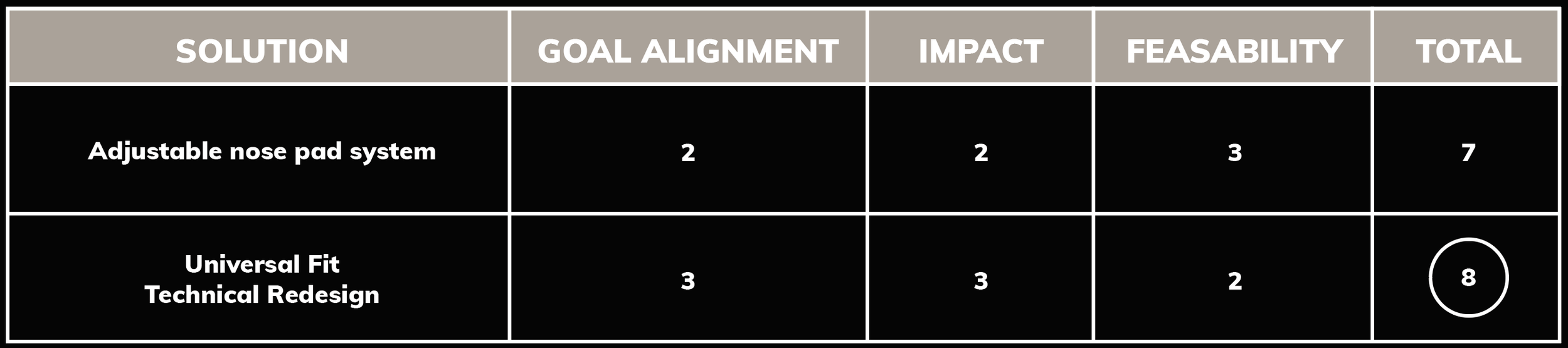
I scored the remaining two solutions in consideration of Goal Alignment, Impact, and Feasibility:
The adjustable nose pad system is a band-aid — it requires manual intervention and doesn't address faceform curvature or temple fit. The Universal Fit redesign solves the problem permanently, invisibly, and at scale.
Chosen solution: Universal Fit Technical Redesign
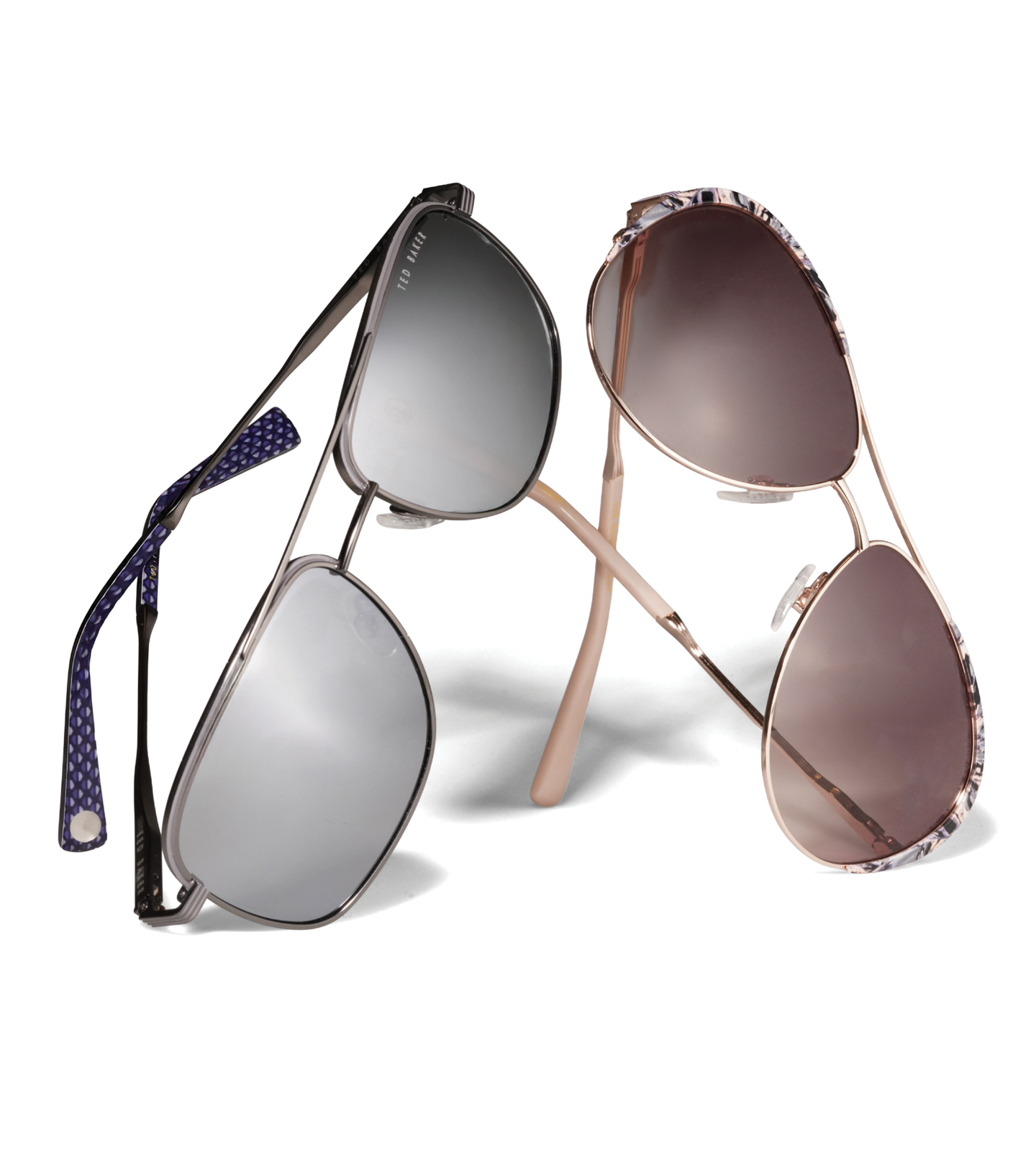
The beauty of Universal Fit is that it's invisible — consumers experience a frame that fits perfectly without ever knowing why. The design intelligence lives entirely in the engineering.
Why Tura
Tura's competitive advantage here is not just operational — it is philosophical. Tura's entire product development culture is built around technical fit precision. They had the in-house design expertise to engineer the modifications correctly, the manufacturing partnerships to produce them at scale, and the retailer relationships to distribute them broadly. Most importantly — Tura had the institutional credibility with retail buyers to convince them that Universal Fit was a genuine product innovation, not a marketing gimmick. A brand without Tura's technical reputation could have designed the same frames and failed to gain retail adoption. Tura's fit-first reputation made the sell-in possible.
Implementation
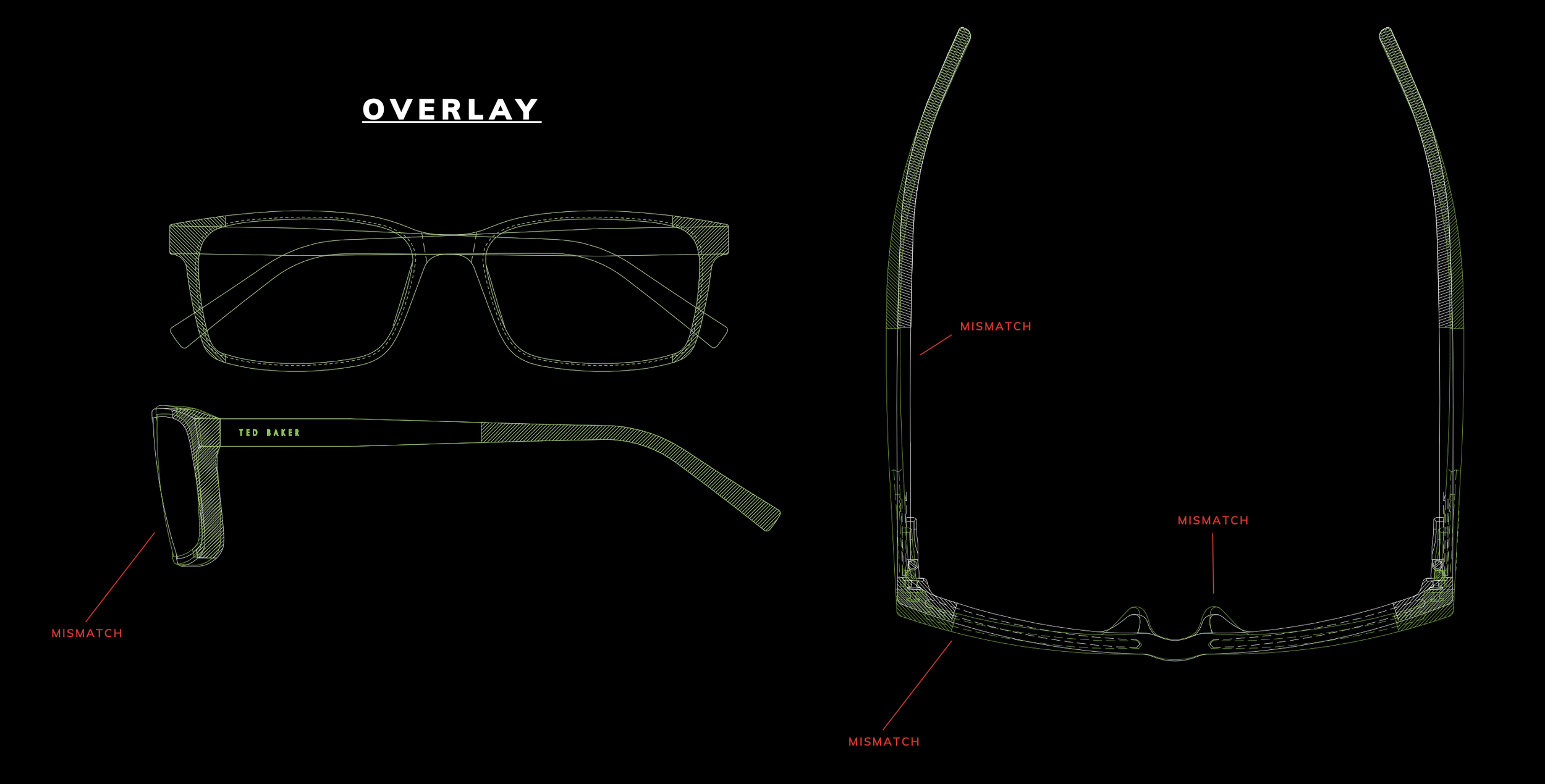
Deeper nose pads — accommodates lower nasal bridges, eliminates frame slide at the critical moment of try-on
Reduced faceform curvature — accommodates flatter facial profiles, eliminates temple gapping and improves frame stability
Bowed temples — accommodates wider head fits, improves overall frame security and daily comfort
TECHNICAL FIT APPROACH
COMPARSION OVERLAY:
06 METRICS
Since Universal Fit was a new sub-collection proving PMF — the North Star measures retention and repeat purchase behavior at the retail level.
North Star Metric →
Percentage of optical retailers who stocked Universal Fit in their initial order and reordered within 6 months — where reorder signals sustained consumer demand and retail confidence in the collection.
Retailer reorder rate is the PMF signal in B2B eyewear — retailers only reorder what consumers are actively requesting. It is the eyewear equivalent of a user returning to a product within 24 hours of first use.
Secondary Metrics - Product Health
Supply side — retail performance:
Number of retail doors carrying Universal Fit at launch
Average units per door per initial order
Reorder rate within 6 months
Retail sell-through rate — percentage of inventory sold vs. returned
Demand side — customer health:
Consumer return rate — are consumers returning frames due to fit issues?
Optician fit adjustment requests — are consumers requiring post-purchase modifications
Consumer satisfaction feedback at point of sal
Organic social mentions and community feedback around fit experience
Counter Metrics - Ecosystem Health
Cannibalization — standard fit Ted Baker sales — did Universal Fit grow the overall category or simply shift existing sales to a new SKU?
Retailer confidence — overall Ted Baker door count — did Universal Fit strengthen or complicate retailer relationships with the broader collection?
Brand perception — Ted Baker brand sentiment — did the Universal Fit launch strengthen Ted Baker's positioning around inclusivity and thoughtful design?
Revenue — overall Ted Baker collection revenue — did Universal Fit expand the pie or redistribute it?
Guardrail Metric
The primary risk of Universal Fit success is cannibalization of standard fit sales without growing the overall category. If standard fit Ted Baker sales decline more than 10% in doors carrying Universal Fit — we have pulled existing customers rather than acquiring new ones. That signals a need to reposition Universal Fit as an additive offering rather than a replacement — ensuring both fit profiles coexist and grow independently.07 OUTCOME
Universal Fit launched successfully within the Ted Baker collection and demonstrated strong product market fit — evidenced by sustained retailer reorders and significant expansion of the Universal Fit design language across multiple collections within Tura's broader brand portfolio.
What began as a single sub-collection became a company-wide product standard. The success of Ted Baker Universal Fit directly influenced Tura's decision to adopt universal fit as a baseline offering across its portfolio — proving both consumer demand and retail viability at scale.
The most meaningful measure of success was not a number. It was the moment a consumer tried on a Ted Baker frame for the first time and it stayed on their face — not because they adjusted it, not because an optician modified it, but because the design was built for them from the start.